
Peripheral Neuropathy Treatment | Non Drug Nerve Repair
Neuropathy Treatment
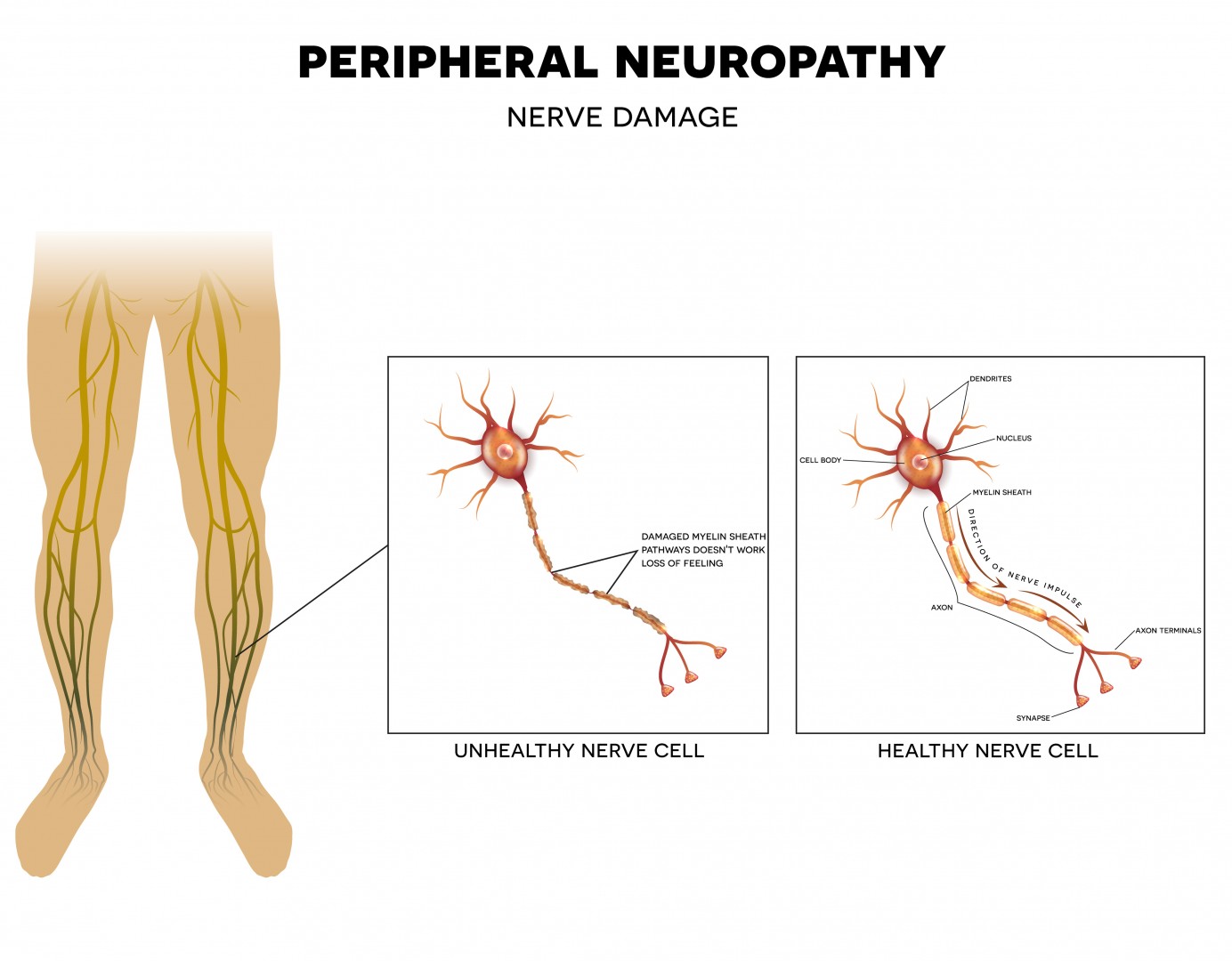
Peripheral neuropathy can feel frustrating, confusing, and often dismissed as “something you just have to live with.” At our clinic, we take a different approach—focused on restoring nerve function, not just masking symptoms.
Symptoms of Neuropathy
Neuropathy can show up in many ways, depending on which nerves are affected. Common symptoms include:
- Numbness or reduced sensation in the hands or feet
- Tingling or “pins and needles”
- Burning or sharp, electric-like pain
- Sensitivity to touch (even light contact feels painful)
- Muscle weakness or instability
- Loss of balance or coordination
Symptoms often start gradually and may worsen over time if the underlying issue isn’t addressed.
Causes of Neuropathy
Neuropathy is not a single condition—it’s a result of nerve damage. Common causes include:
- Diabetes or blood sugar imbalances
- Chronic inflammation
- Poor circulation
- Past injuries or nerve compression
- Chemotherapy or medication side effects
- Autoimmune conditions
- Nutritional deficiencies
In many cases, patients are told the cause is “idiopathic” (unknown), but that doesn’t mean nothing can be done.
Why Medications Often Fail
Most conventional treatments for neuropathy focus on symptom control rather than nerve repair.
Medications may:
- Temporarily reduce pain signals
- Alter how the brain perceives discomfort
But they typically do not:
- Repair damaged nerves
- Improve circulation to the nerves
- Address underlying dysfunction
This is why many patients experience ongoing symptoms—or worsening over time—despite being on medication.
Our Treatment Approach
We focus on restoring the environment nerves need to heal and function properly using two advanced, non-invasive therapies:
Neuroscience Acupuncture
This modern, evidence-informed approach to acupuncture targets the nervous system directly.
It helps:
- Stimulate nerve signaling
- Improve blood flow to affected areas
- Reduce inflammation
- “Re-train” how the brain communicates with damaged nerves
Patients often notice changes in sensation, pain levels, and function over time.
Frequency-Specific Microcurrent (FSM)
FSM uses gentle electrical frequencies to support cellular repair and reduce inflammation.
This therapy works by:
- Targeting damaged tissue at a cellular level
- Enhancing the body’s natural healing processes
- Further improve blood flow to affected areas by reducing inflammation to blood vessels
- Reducing nerve irritation and sensitivity
It is comfortable, precise, and designed to promote true healing—not just symptom suppression.
Timeline for Recovery
Healing from neuropathy is a process, and timelines vary depending on severity and duration.
In general:
- Early changes: Some patients notice improvements within a few visits
- Short-term progress (4–6 weeks): Reduced pain, better sensation, improved sleep
- Long-term recovery (8–12+ weeks): Continued nerve improvement and functional gains
Consistency is key. Nerves heal slowly, but with the right support, meaningful progress is possible.
Can Nerves Regenerate?
Yes—under the right conditions, nerves can regenerate.
The body has the ability to repair nerve tissue, but it requires:
- Proper blood flow
- Reduced inflammation
- Consistent stimulation and signaling
Our treatments are designed to create this healing environment.
While not every case is the same, many patients experience:
- Improved sensation
- Reduced pain
- Better mobility and quality of life
Ready to Take the Next Step?
If you’ve been told “nothing can be done” or you’re tired of relying on medications alone, there may be another path forward.
Contact us today to see if our neuropathy program is right for you.
We proudly serve patients from the Orlando Metropolitan area including Altamonte Springs, Maitland, Lake Mary, Sanford, and Apopka.